
Our Programs
SYNC Program
Kernow’s SYNC Program is an initiative designed to complement our risk-based assessment and inspection program and aims to review and calibrate the consistency of approach of our EHPs through a peer supported system.
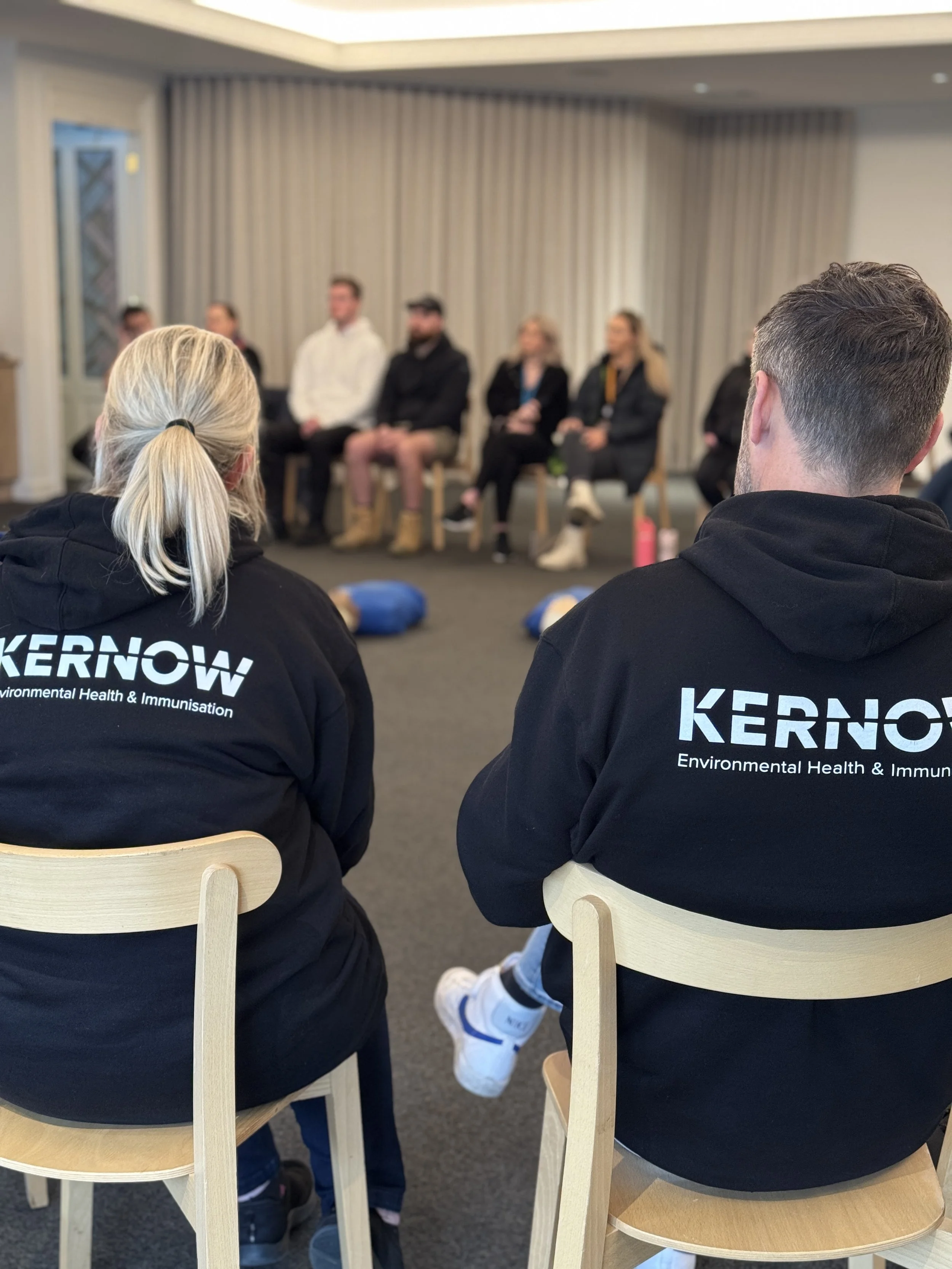
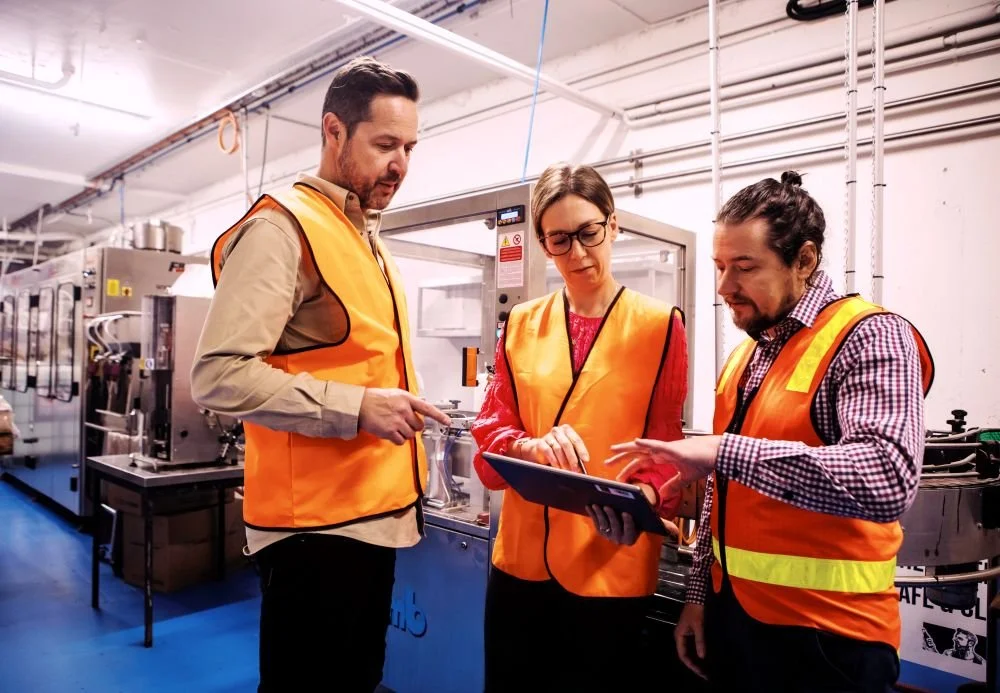
Through a structured and supportive approach, EHPs are paired with other EHPs in random order. There are no municipal boundaries, so EHPs from any Kernow Council site may be paired with EHPs from other Kernow sites. Practically, each EHP conducts a risk-based assessment at a premises with the shadowing EHP making observations only. The role is then flipped at another premises. Through a supportive and productive structured process, each EHP then gives peer feedback and has a conversation about the approach taken and inspection outcomes. Ultimately listening and learning from each other.
The aim of SYNC is for our EHPs to consider the approach of others, learn from each other, pick up tips and ideas and to ‘calibrate’ with other EHPs. Through our large network, the program works as a tree with interconnecting branches where EHPs are all able to learn from each other across our workforce.
In 2023, 62% of EHPs (19/31) rated their knowledge about risk-based assessment between 8-10 before SYNC. 100% of EHPs rated their knowledge between 8-10 after SYNC.

Allergen Intervention Program
Victoria has some of the highest rates of reported allergies in Australia and evidence from our food sampling program shows a high number of samples collected and believed to be free from allergens do in fact contain allergens or traces of allergens. In response, Kernow has introduced an Allergen Intervention Program aiming to reduce the occurrence of undeclared or unexpected allergens in food for sale.
Our first 4-year program ran from 2020-2023 and set out to reduce the prevalence of unsatisfactory food sampling results when testing egg free samples for the presence of egg allergen. Baseline data was collected at the commencement of the program. Four steps of interventions were then conducted, incorporating communications for food business operators, allergen training for EHPs, a briefing roadshow for EHPs and an intensive education phase for food business operators as part of risk-based assessments. Following 2 years of interventions, resampling then occurred to determine any improvement to food sampling outcomes. A reduction from 14% to 10% prevalance of egg allergen in samples believed to be free from egg was found.
Our second Allergen Intervention Program is focussing on the detection of peanut allergen in samples. our large network, the program works as a tree with interconnecting branches where EHPs are all able to learn from each other across our workforce.
In 2023, 62% of EHPs (19/31) rated their knowledge about risk-based assessment between 8-10 before SYNC. 100% of EHPs rated their knowledge between 8-10 after SYNC.
Rad Grad Program
Complementing our Boost and Mentoring Program is our Rad Grad Program, the third pillar of our support program for new recruits, specifically, our graduates (which includes our student EHOs and those within the first two years of practice as an EHO).
The Rad Grad Program aims to bring together our graduates for face-to-face learning and networking opportunities. Our first Rad Grad night was held in May 2022 at The Montague Hotel in South Melbourne. Over dinner our Rad Grads heard from our Leaders about their own career journeys and then participated in a Cheesy 80s style Environmental Health Trivia Quiz! Since then, the program has covered many interesting and practical topics in specialist areas such as an interactive soil and wastewater session, noise complaint investigation, sampling and calibrating processes and outbreak investigations.
Kernow’s Coordinated Sampling Program
Kernow’s Coordinated Sampling Program incorporates our food sampling, pool sampling and test purchasing programs.
It presents the collective results from all these areas into one annual sampling report. The larger sample sizes containing results from 12 local government areas, are used to bring meaning to the sampling program and outcomes. Food sampling has a focus on high risk foods, allergen testing and sampling from Class 1 premises serving vulnerable people. More than 1000 samples are collected annually as part of this program. Pool sampling reflects on results of both chemical and microbiological sample analysis collected from Category 1 aquatic facilities open to the public. Tobacco test purchasing collates outcomes showing sales versus no sales when carrying out our cigarette sales to minors surveillance program.
Boost & Mentor Programs
We set each new employee up for success through the Kernow Boost Program.
This online and field-based program provides structured “on the job” training in all relevant aspects of Environmental Health, Service Support and Immunisation. Each Boost participant works through a series of tasks including the theoretical component of reading the procedure or background information, shadowing an existing staff member in completing that task and then performing that part of the job under supervision. Support documents are provided to keep notes and to provide feedback to the new person until they are ready and confident to work on their own.
Our new recruits are also provided access to a Kernow mentor as part of the Boost Program. The Mentor relationship is supported by a formal Mentor program where Mentors are given guidance on how to undertake their role and a journal to help focus and record the support. This is a unique program, and we see positive impacts of the Program for both participants and our existing staff who take on mentoring or leading roles.